How Long Can a Breathalyzer Detect Alcohol?
Disclaimer
The information in this blog is for general informational purposes only. Information may be dated and may not reflect the most current developments. The materials contained herein are not intended to and should not be relied upon or construed as a legal opinion or legal advice or to address all circumstances that might arise. You should contact your attorney to obtain advice with respect to any particular legal matter. Only your individual attorney can provide assurances that the information contained herein – and your interpretation of it – is applicable or appropriate to your particular situation. Links to any third-party websites herein are provided for your reference and convenience only; RoadGuard Interlock does not recommend or endorse such third party sites or their accuracy or reliability. RoadGuard Interlock expressly disclaims all liability regarding all content, materials, and information, and with respect to actions taken or not taken in reliance on such. The content is provided “as is;” no representations are made that the content is error-free.
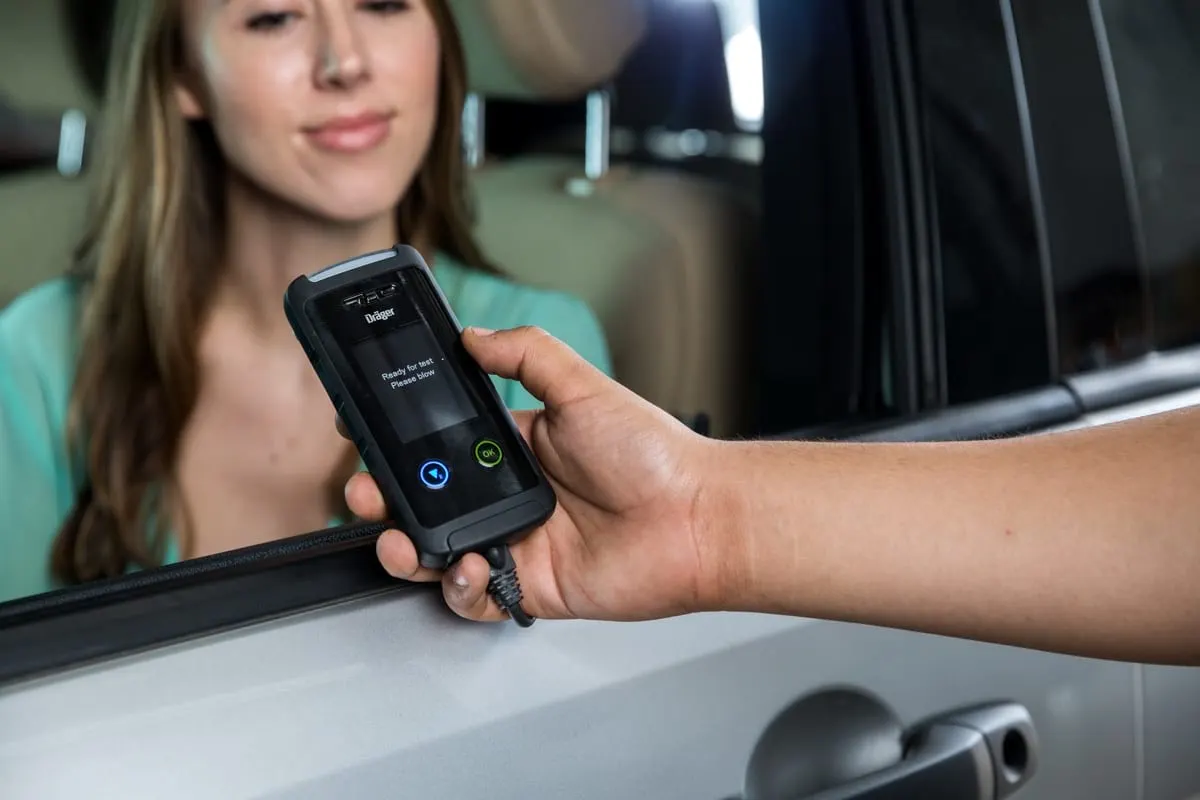
How long will a breathalyzer detect alcohol? For as long as there’s alcohol left in your body. That’s usually several hours, and after a heavy or late night it can run into the next morning. Your body clears alcohol at a fairly steady rate, so the timeline depends on how high your blood alcohol concentration (BAC) climbed and how fast you personally break it down.
You can’t judge either of those by how you feel. A breathalyzer keeps registering alcohol after the buzz is gone, and an ignition interlock locks the engine at a level far below the legal limit for driving.
How Long Will a Breathalyzer Detect Alcohol?
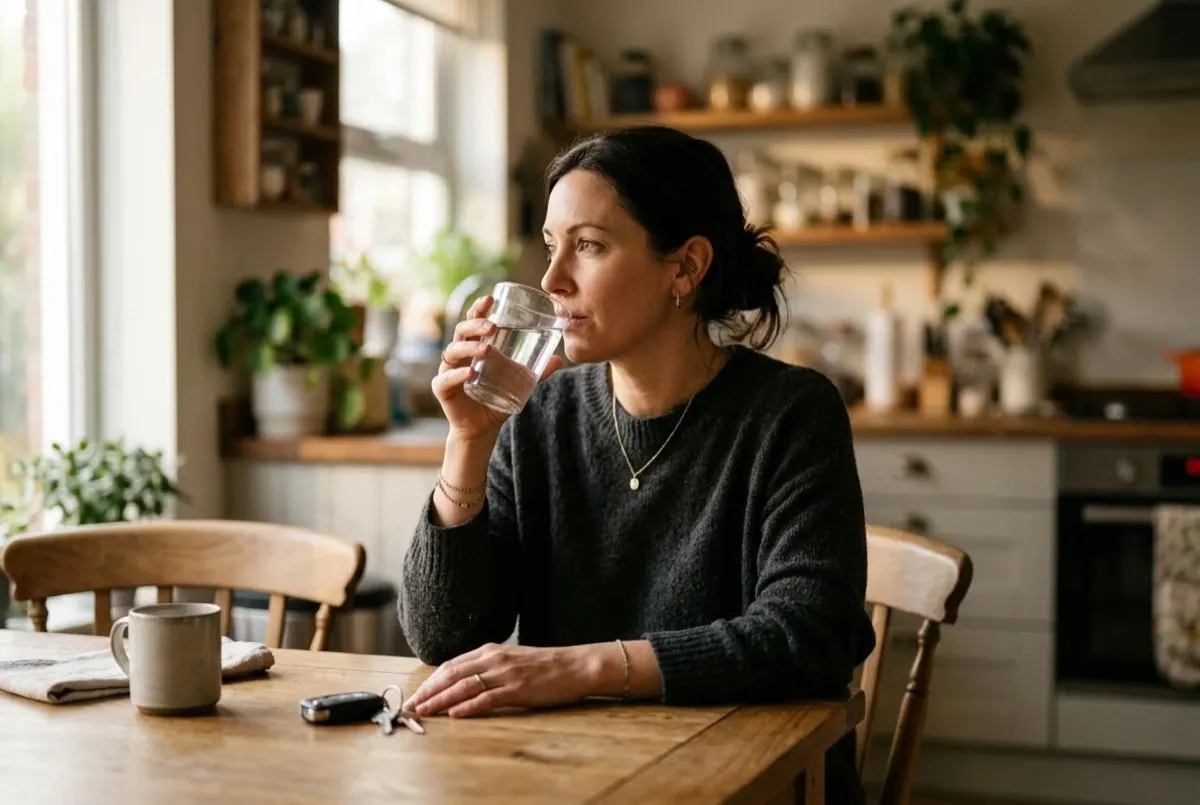
A breathalyzer detects alcohol until your BAC is back to zero. Once your body has absorbed what you drank, your liver breaks alcohol down at a roughly constant pace, so the reading drops by about the same amount each hour until nothing is left.
That pace isn’t the same for everyone. On average, the body removes alcohol from the blood at about 0.015 percentage points of BAC per hour, and the rate varies from person to person, from one drinking occasion to the next and with how much was drunk (how the body clears alcohol). That’s why two people who drank the same amount can get different readings the next morning.
Detection and impairment aren’t the same thing either. A breathalyzer can still register low levels long after you stop feeling the drinks, because the sensor measures alcohol, not how you feel.
After One Drink vs. After a Night Out
Light drinking tends to clear faster. One drink produces a lower peak, so there’s less to clear. After heavier drinking, the peak is higher and the same hourly rate takes longer to bring it down: a peak twice as high takes about twice as long to clear. That’s how a night out can leave alcohol on your breath when you get up the next day.
How Long Will 2 Beers Show Up on a Breathalyzer?
There’s no reliable number of hours for 2 beers. The same two drinks produce different peaks and clear at different speeds in different people, so no fixed time fits everyone. Four variables set your timeline, whether the question is about 1 beer, 2 beers or 4.
- How strong the beer is. A 12-ounce beer at 5% alcohol is one standard drink, while a 12-ounce craft beer at 10% is two (what counts as a standard drink). A 16-ounce pint is a third larger than a 12-ounce can, so “2 beers” can mean anywhere from two standard drinks to more than four.
- How high your BAC peaks. Your body weight, sex, how fast you drank and whether you ate all change how much alcohol reaches your blood at once. The personal factors in the next section cover each one.
- Whether your BAC is still rising. Alcohol still in your stomach and intestines keeps entering your bloodstream, so your blood alcohol concentration can keep climbing for a while after your last drink. A test taken soon after drinking may read lower than one taken later.
- How fast you clear it. A slower-than-average elimination rate stretches the time the same peak takes to clear. Liver health and some medications can slow it further.
One regular beer gives your body less to clear than two, but less isn’t the same as none. Four beers push the peak higher, and a higher peak takes proportionally longer to come down, which is how drinks from the evening can still show up on a morning test.
Because you can’t measure your own peak or elimination rate at home, the number of drinks alone can’t show when a breathalyzer will stop registering them. If you aren’t sure the alcohol has cleared, don’t drive. The same variables decide the wait after drinking before any drive.
What Extends or Shortens How Long a Breathalyzer Detects Alcohol
Two broad drivers shape how long alcohol remains detectable on breath: your body and behavior, and the device and testing conditions. Both sides change what a breathalyzer reads the next morning.
Personal and Biological Factors
People process alcohol at different speeds. Factors like body composition, liver function, and recent meals influence peak and clearance.
- Amount and pace: More drinks and faster consumption extend the detection window, often into the next day after heavy intake.
- Body weight and sex: Smaller bodies and those assigned female at birth often reach higher BACs for the same number of drinks.
- Liver health and medications: Medical conditions and certain drugs can slow alcohol processing.
- Food intake: Eating before or during drinking slows absorption, shifting the timing of peak BrAC and detection.
- Sleep and hydration: Rest and fluids support recovery but don’t burn off alcohol; your liver does that at its own pace.
Device and Testing Factors
Not all breathalyzers are built the same. Law-enforcement and interlock devices rely on fuel-cell sensors, which stay stable and register low levels of alcohol. Consumer-grade semiconductor units can be useful for personal feedback, but they’re more susceptible to environmental effects and have less reliable performance at low BrAC values. BrAC, or breath alcohol concentration, is the breath-side measure that tracks your BAC.
How the three common device types compare:
- Consumer personal unit: often a semiconductor sensor, calibrated on the owner’s schedule. Useful for general feedback, less reliable at low readings, and not used for legal compliance.
- Police-grade evidential device: a fuel-cell (or hybrid) sensor under strict calibration protocols, used at the roadside and at booking.
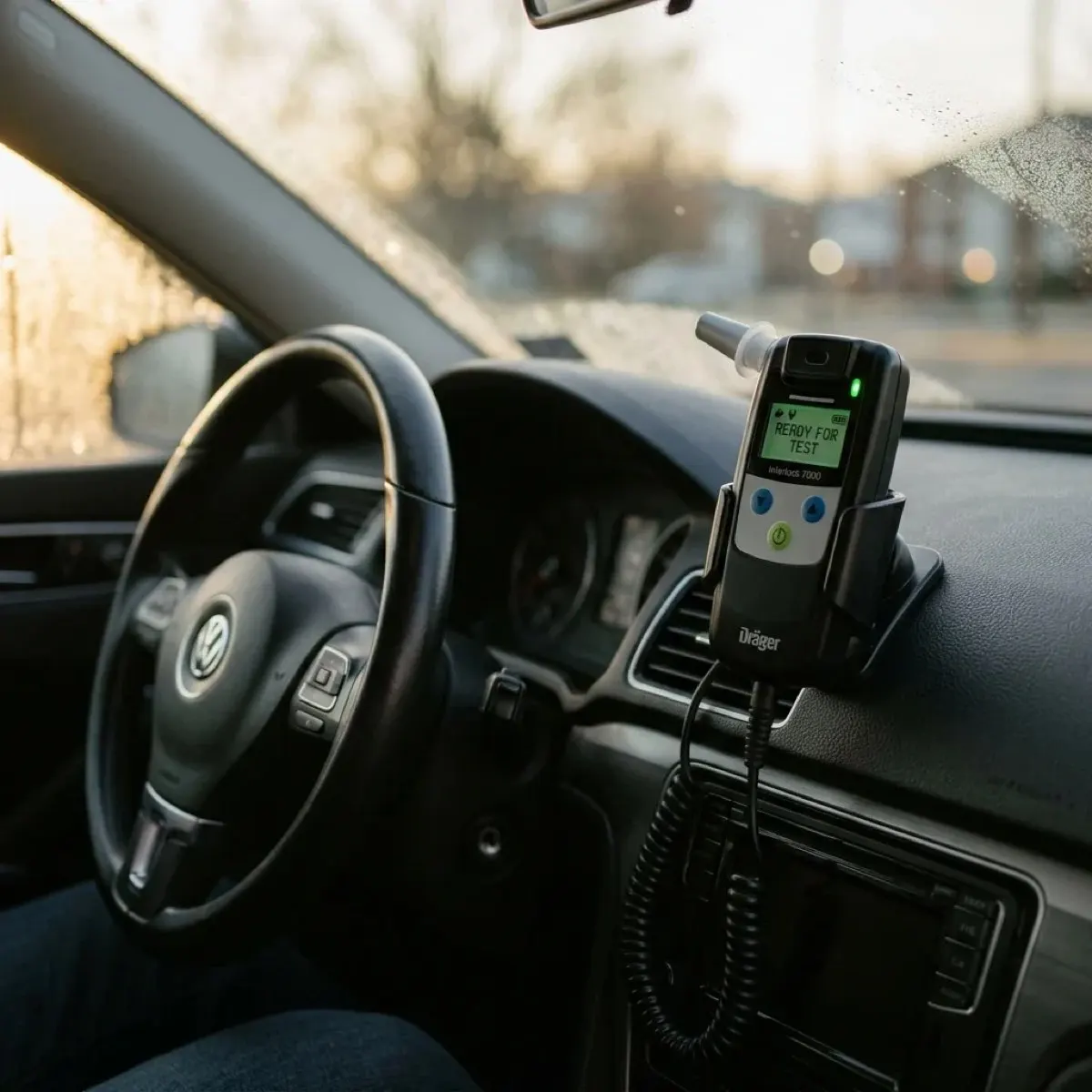
- Ignition interlock device: a fuel-cell sensor with professional calibration on the schedule your program sets, built to register low breath alcohol levels.
A zero on a personal unit doesn’t guarantee a zero on a fuel-cell device, so it’s a rough guide at best before you drive.
RoadGuard Interlock’s Dräger Interlock 7000 has a sensor that tells deep-lung breath alcohol apart from mouth alcohol, a simple blow-suck breath test and a camera, and it draws on more than 60 years of experience in breath alcohol testing. Interlock programs also schedule calibration and service visits, which are separate from the breath tests you take to start the car.
What a Morning Reading Means on an Ignition Interlock
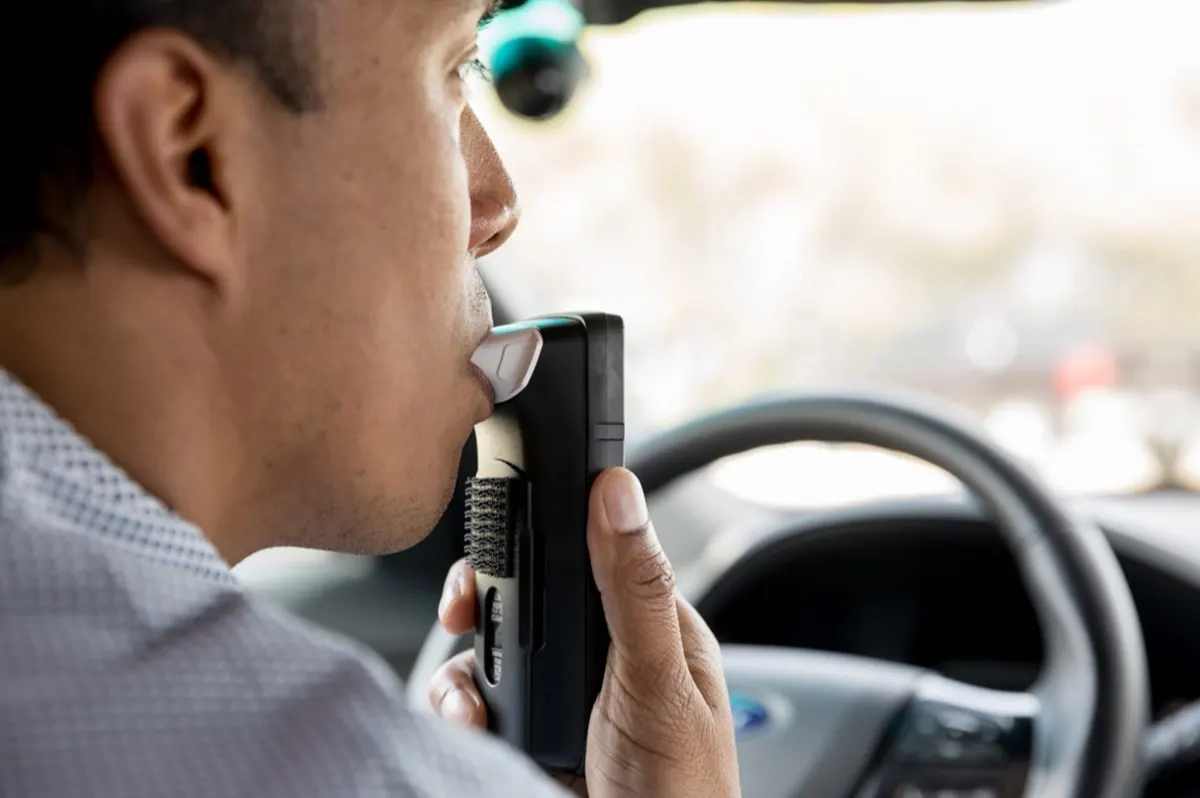
On an interlock, breath alcohol at or above your state’s set point keeps the car from starting and is recorded by the device, whether it comes from a drink an hour ago or the tail end of last night.
Set points aren’t uniform across states, and most are set at 0.02 (interlock set point recommendations), a fraction of the legal limit for driving. A level low enough that you feel sober can still lock the engine. Many programs also require rolling retests while you drive, so alcohol that’s still rising when you start the car can show up on a later test during the trip.
Whether a morning reading counts as a violation, and what follows, depends on your state and your monitoring authority. Many states have compliance-based removal laws that require a set number of violation-free days before the device can be removed. Your court or DMV order sets how long you may need an ignition interlock installed, and your monitoring authority can explain how it treats a reading at or above the set point.
If the device locks you out or gives a reading you don’t expect, call RoadGuard support at 1-833-545-0368 before you do anything else. Have your vehicle and account details ready. Don’t disconnect anything, and don’t keep blowing into the device to try to clear it. Lockouts follow the lockout and violation process for your program.
Coffee, Mouthwash and Other Breathalyzer Myths
Quick fixes don’t change breath alcohol concentration. Fuel-cell sensors read alcohol molecules in your breath; gum, coffee, or breath mints won’t fool them. Some products can briefly create mouth alcohol, which spikes readings for a few minutes.
Water and caffeine can make you feel more alert, but they don’t speed up how fast your liver clears alcohol, and neither do cold showers or exercise. Only time lowers your BAC.
Food tricks don’t work either: you can’t beat a breathalyzer with peanut butter. Alcohol-based mouthwash has the opposite effect, leaving a short-lived spike of mouth alcohol that an interlock can register even when you haven’t been drinking.
Frequently Asked Questions About Breathalyzer Detection
Will it show on a breathalyzer if I drank last night?
It can. If your BAC was still above zero when you woke up, a breathalyzer will register what’s left. How much is left depends on how high your BAC peaked and how fast your body clears it, and a late or heavy night can leave alcohol in your system well into the morning. An interlock set to a low level will register it even if you feel fine.
Can I pass a breathalyzer the next day?
That depends on how much you drank, when you stopped and your own elimination rate, and you can’t read any of those from how you feel. If your BAC peaked high late at night, alcohol can still be on your breath the next morning. A personal breathalyzer only gives a rough reading. If you aren’t sure the alcohol has cleared, don’t drive.
Can you still be drunk 8 hours later?
Yes, after heavy drinking. At the common average of about 0.015 per hour, eight hours clears roughly 0.12 of BAC, so a night that peaked well above that can leave you impaired the next morning. Anyone who clears alcohol more slowly than average has even more left after eight hours.
How long does it take to be 0.00 after one drink?
There’s no single answer. One standard drink raises BAC by a different amount depending on your body weight, sex, food and how quickly you drank it, and your body then clears it at its own rate. BAC can also keep climbing for a while after the drink. You can’t measure either number at home, so a personal estimate can’t show when it’s safe to drive.
Will 1 beer show up on a breathalyzer after 4 hours?
It can, and nobody can be sure in advance that it won’t. A strong craft beer can contain as much alcohol as two regular ones, a slow elimination rate stretches the timeline, and drinking on an empty stomach raises the peak. An interlock set to a low level also registers amounts you won’t feel. If you aren’t sure the alcohol has cleared, don’t drive.
Can I pass a breathalyzer after 2 beers?
Nobody can promise that in advance. Two beers can mean two standard drinks or four, depending on their strength and size, and the same two drinks produce different BAC peaks in different people. Timing adds another variable, since BAC keeps rising for a while after you stop and then falls at a rate that varies from person to person.
Is 2 beers enough to get a DUI?
It can be. Most states set the per se limit at 0.08 BAC for adult drivers, Utah sets it at 0.05, and drivers under 21 face zero-tolerance rules (state BAC limits for driving). Driving ability also varies among people with the same BAC, and some people can’t drive safely below 0.05 (breath alcohol test). Refusing a breathalyzer test brings separate penalties in most states. Confirm your state’s rules with your DMV or an attorney.
How long will 4 beers stay on breath?
Longer than two, though there’s no fixed number of hours. Four beers raise your BAC higher, and a higher peak takes proportionally longer to clear at the same hourly rate. Four strong craft beers can equal eight standard drinks. After four or more, especially late in the evening, alcohol can still be on your breath the next morning.
Getting Back on the Road With RoadGuard Interlock
Knowing how long a breathalyzer can detect alcohol lets you plan around your interlock instead of guessing. Once a court or DMV requires an ignition interlock, RoadGuard Interlock can schedule your installation, with a simple blow-suck breath test, a sleek, discreet design and same-day installs available in many locations.
Check whether RoadGuard serves your state, or go straight to the Virginia or Ohio page. The interlock device cost page explains how pricing works, including the Price Match Guarantee, or call 1-833-545-0368 to schedule.
Disclaimer: This article is provided by RoadGuard Interlock for general informational purposes only and is not legal, financial, or medical advice. DUI and ignition interlock laws, penalties, fees, and program requirements differ from state to state and county to county, and they can change at any time. Any costs, timelines, or figures mentioned are general estimates rather than quotes or guarantees. Please do not rely on this article as a statement of the law where you live. Confirm current requirements with your state DMV, the court handling your case, a licensed attorney, or RoadGuard Interlock directly before making decisions. Device features, pricing, availability, same-day installation, and any promotions referenced are subject to change, vary by location, and may not be offered in every state RoadGuard Interlock serves.