
Can You Get a DUI on a Horse? Here’s What You Need to Know
Disclaimer
The information in this blog is for general informational purposes only. Information may be dated and may not reflect the most current developments. The materials contained herein are not intended to and should not be relied upon or construed as a legal opinion or legal advice or to address all circumstances that might arise. You should contact your attorney to obtain advice with respect to any particular legal matter. Only your individual attorney can provide assurances that the information contained herein – and your interpretation of it – is applicable or appropriate to your particular situation. Links to any third-party websites herein are provided for your reference and convenience only; RoadGuard Interlock does not recommend or endorse such third party sites or their accuracy or reliability. RoadGuard Interlock expressly disclaims all liability regarding all content, materials, and information, and with respect to actions taken or not taken in reliance on such. The content is provided “as is;” no representations are made that the content is error-free.
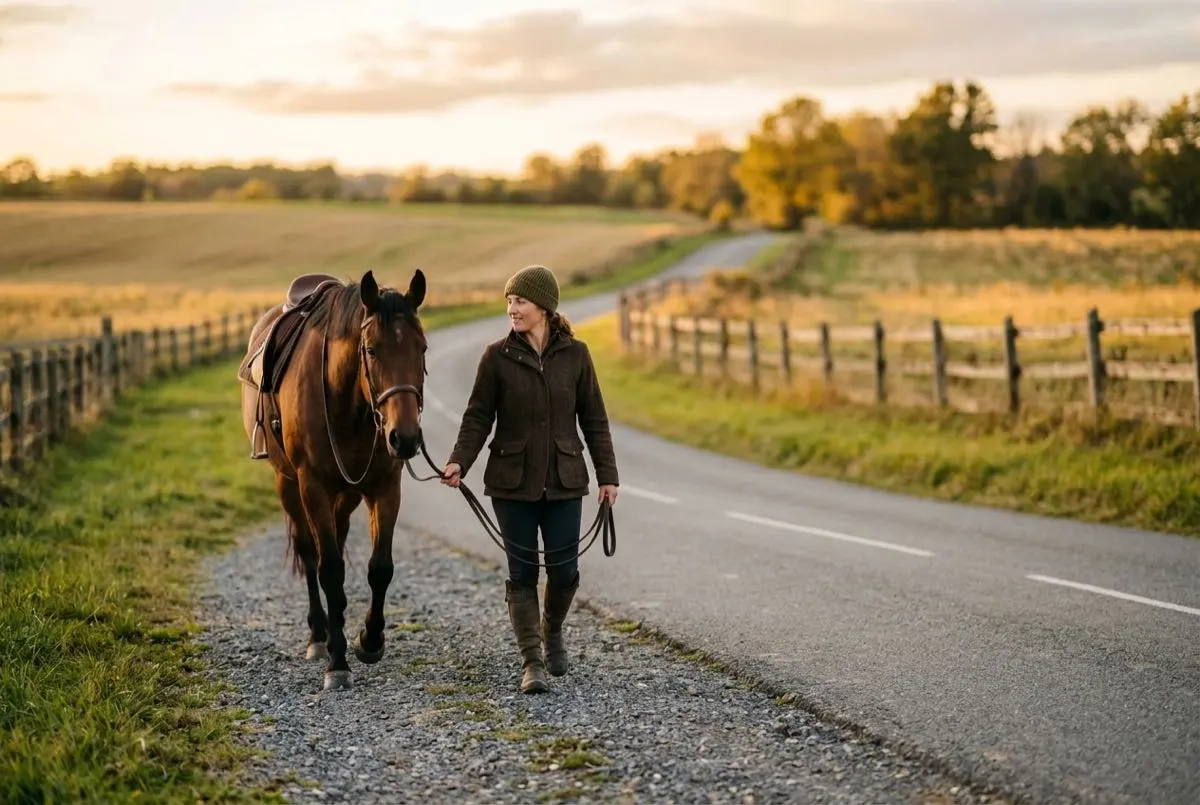
It sounds like a trick question, but riders do get arrested for it. Can you get a DUI on a horse? In some states, yes. In others, an intoxicated rider faces different charges instead, such as public intoxication. The deciding factor is usually one legal detail: how your state defines the word “vehicle.”
In this blog, we’ll break down the laws surrounding DUI on horseback, how different states handle these cases, and what you should know to stay safe and legal.
We’ll also cover the questions that usually come next: what happens if you’re stopped, whether a horseback DUI can touch your driver’s license, and how the law treats horse-drawn buggies, bicycles, golf carts, and other things that aren’t cars.
Can You Get a DUI on a Horse? The Short Answer
Yes, in some states you can be charged with a DUI while riding a horse on a public road. In other states, a horse doesn’t meet the legal definition of a vehicle, so a standard DUI charge doesn’t apply, though other charges usually can.
According to Mothers Against Drunk Driving, the split comes down to how each state’s traffic code is written. Some states give a person riding an animal on a public roadway the same rights and duties as the driver of a vehicle. In those places, an impaired rider can be treated much like an impaired driver. Other states write their impaired-driving laws around motor vehicles specifically, which leaves horses outside the statute.
So the honest answer is not a clean yes or no. It’s “it depends on your state,” and sometimes on how a local prosecutor or court reads the statute. That’s also why headlines about horseback DUI arrests keep showing up: the cases are real, they’re just not possible everywhere.
Understanding DUI Laws: Do They Apply to Horses?
DUI (Driving Under the Influence) laws are primarily written for motor vehicles, but each state interprets them differently. The key distinction is between two words that sound interchangeable and aren’t: “vehicle” and “motor vehicle.”

Here’s how that difference plays out:
- Broad “vehicle” definitions. Some states define a vehicle as almost anything that transports a person or property on a highway. Under that kind of language, courts have sometimes concluded that a horse and rider fall within the DUI statute.
- “Motor vehicle” requirements. Other states require a motorized or self-propelled vehicle before a DUI charge applies. A horse has plenty of horsepower but no motor, so a standard DUI charge generally doesn’t fit in those states.
- Rider-duty statutes. Some traffic codes state that anyone riding an animal on a roadway has the same rights and duties as a driver. Courts in different states have disagreed about whether that language pulls riders into DUI liability, which is why outcomes vary even between states with similar wording.
Impaired-driving laws differ meaningfully from state to state in general, not just on the horse question. The Governors Highway Safety Association maintains a state-by-state overview of alcohol-impaired driving laws if you want to see how much variation there really is.
What States Can You Get a DUI on a Horse?
There’s no reliable one-line list of “horse DUI states,” and you should be skeptical of any article that offers one. Court decisions, statute updates, and local charging practices all move the line, and a list that was accurate a few years ago may not be accurate now.
What’s consistently true is this: some states’ courts have upheld DUI charges against intoxicated riders on public roads, while other states’ courts have ruled that an animal is not a vehicle for DUI purposes. Many states sit in a gray area where the statute has simply never been tested on horseback.
If you need to know how your state handles it, go to the source rather than a viral list:
- Check your state’s vehicle code definitions section, usually available on your state legislature’s website.
- Look for a provision about persons riding animals on roadways and what duties it assigns them.
- Ask your state DMV, or a licensed attorney in your state, how impaired riding is actually charged where you live.
Public Intoxication vs. DUI: What You Can Be Charged With Instead
Even where a horse doesn’t count as a vehicle, riding drunk in public is not a legal free pass. Officers who stop an intoxicated rider usually have several other charges available.
A DUI targets impaired operation of a vehicle. Public intoxication laws, where they exist, target being dangerously impaired in a public place, no vehicle required. That distinction matters: a public intoxication citation is typically a lower-level offense than a DUI, but it’s still an arrest, a court date, and a record.
Depending on the circumstances, an impaired rider might also face:
- Public intoxication or disorderly conduct, where state or local law provides for it.
- Reckless endangerment, if the riding put other people at risk.
- Animal cruelty or endangerment, if the horse was run into traffic, injured, or abandoned during the incident.
Even if you avoid a DUI, you may still face charges like public endangerment or animal cruelty. Officers have the authority to detain or fine individuals acting irresponsibly in public spaces. The animal-related charges tend to surprise people most, and they can stack on top of whatever else is filed.
DUI on a Horse vs. DUI in a Car: What’s the Difference?
While drunk driving in a vehicle almost always results in a DUI charge, horseback-related incidents depend on state laws and circumstances. The practical differences look like this:
- In a car: driving impaired can lead to a DUI charge no matter which state you’re in, and the case law is well settled.
- On a horse: whether a DUI applies depends on your state’s vehicle definition, and alternative charges like public intoxication are common where it doesn’t.
- Either way: the safety risk is real and an arrest is possible, whichever statute ends up applying.
Horse-Drawn Buggies, Bikes, Golf Carts, and Other Gray Areas
The horse question is part of a bigger family of “can you get a DUI on a…” questions, and the same vehicle-definition logic decides most of them.
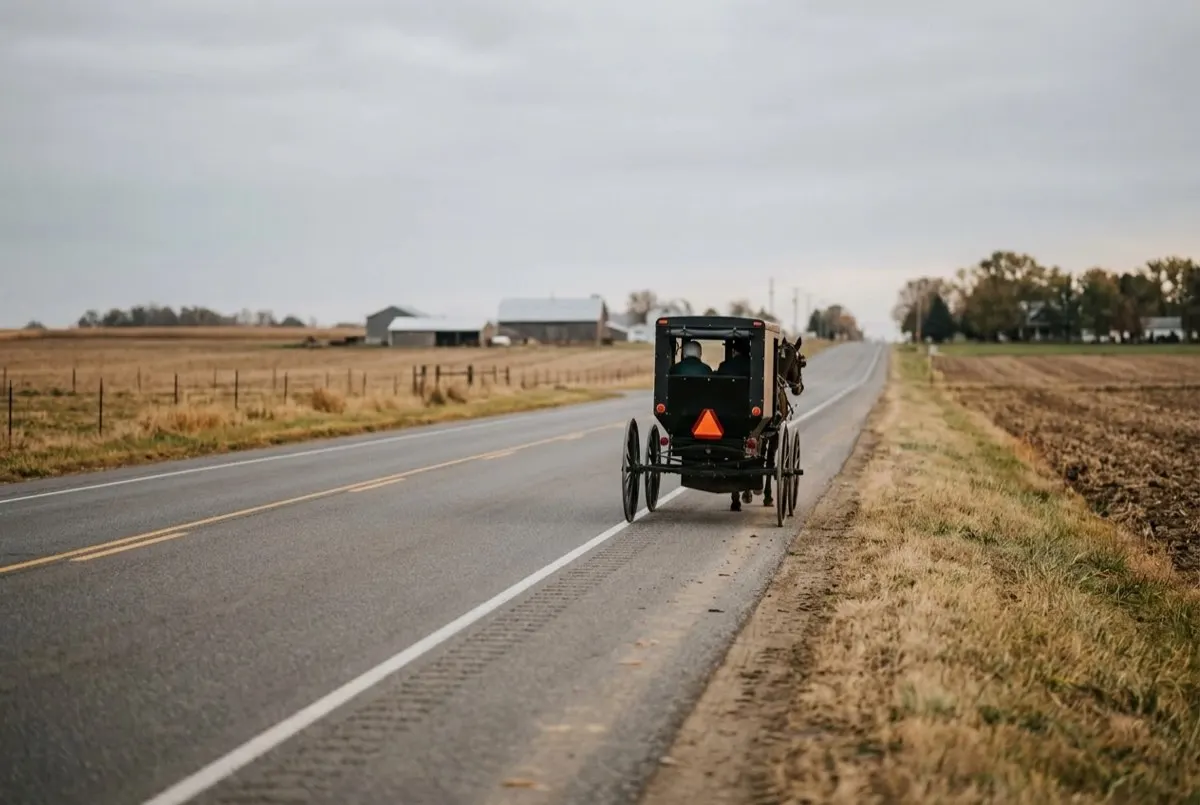
Horse-drawn buggies and carriages
A buggy is a closer call than a horse alone, because the driver is operating a wheeled conveyance on a public road. In states with broad vehicle definitions, an impaired buggy driver can face DUI charges, and such cases have made the news in Amish communities. In motor-vehicle-only states, the analysis is different. As with horses, the outcome depends on your state’s statute.
Bicycles and e-bikes
Some states apply their DUI laws to bicycles, others have separate cycling-under-the-influence offenses, and others don’t cover bikes at all. E-bikes add a motor, which can push them into motor vehicle territory in some states. If you ride, it’s worth checking your state’s rules specifically.
Golf carts, lawnmowers, and ATVs
These have motors, which changes the picture. Motorized vehicles are far more likely to fall under DUI statutes, even on private property in some circumstances, and arrests involving golf carts and riding mowers happen regularly. Assume a motor means DUI exposure unless your state’s law clearly says otherwise.
What Happens If You’re Stopped While Riding Impaired?
A stop usually starts the same way regardless of state: an officer sees unsafe riding, a rider in traffic, or a report from another driver, and makes contact. What happens next depends on where you are.
- In states where a horse can trigger a DUI, the encounter can proceed much like a traffic stop, potentially including field sobriety observation, a breath test, arrest, and booking.
- In states where it can’t, the officer may still detain you, arrange safe transport for you and the horse, and cite or arrest you under public intoxication or similar laws.
- In both cases, penalties are set by state and local law and vary widely. Fines, court appearances, probation, and alcohol education requirements are all possible outcomes, depending on the charge and your history.
One more practical note: the horse itself becomes a problem during an arrest. Animal control or a willing third party has to take custody of it, and impound or boarding costs can land on the owner.
Can a Horseback DUI Affect Your Driver’s License?
It can, in states where impaired riding is charged under the standard DUI statute. A conviction under a state’s main DUI law can carry the same kinds of consequences as a DUI in a car, which may include license suspension, alcohol education, and in some cases an ignition interlock device requirement, depending on the state and the offense.

Where the charge is public intoxication or another non-driving offense, your license is generally not part of the sentence, though every case is its own case.
If a DUI conviction does put your license at risk, most states offer a path to keep driving legally during the penalty period. Our guide to getting a restricted license with an ignition interlock walks through how those programs typically work and what your state DMV will ask for.
Why You Shouldn’t Ride a Horse While Intoxicated
Set the statutes aside for a moment. Riding impaired is a genuinely bad idea even in a state where no DUI law reaches it.
Horses are unpredictable, and riding while intoxicated puts both you and others at risk. Alcohol impairs judgment, coordination, balance, and reaction time, which is a rough combination on top of a thousand-pound animal with instincts of its own. The National Institute on Alcohol Abuse and Alcoholism documents how alcohol affects the brain and body, and none of it helps you stay in the saddle. Crash research from the Insurance Institute for Highway Safety tells the same story on the road: impairment and traffic are a dangerous mix.
If you’ve been drinking and need to get home, riding a horse is not a safe alternative to driving. Instead, consider:
- Calling a ride-share service or a taxi
- Designating a sober friend to pick you up
- Waiting until you’re completely sober before traveling
If you’re not sure how long that last option takes, our guide on how long to wait after drinking before driving covers what actually affects the timeline.
Frequently Asked Questions
Can you get a DUI on a horse?
In some states, yes. Where the law defines a vehicle broadly, or gives riders the same duties as drivers, an intoxicated rider on a public road can face a DUI charge. In states whose laws require a motor vehicle, a standard DUI generally doesn’t apply, but charges like public intoxication still can.
What states can you get a DUI on a horse?
There’s no dependable national list. Some states’ courts have upheld horseback DUI charges and others have rejected them, and the law keeps evolving. Check your state’s vehicle code definitions, or ask your state DMV or a local attorney how impaired riding is charged where you live, rather than trusting a list online.
Is it illegal to ride a horse drunk?
It’s legally risky wherever you are, even where it isn’t a DUI. Depending on the state, an intoxicated rider can face DUI, public intoxication, disorderly conduct, reckless endangerment, or animal-related charges. An officer who sees impaired riding on a public road generally has options for charging it.
Can you drink and ride a horse?
Drinking before or while riding puts you in the same legal gray zone as riding drunk, and open containers on a roadway can create separate issues in some places. Practically, alcohol impairs the balance and judgment riding depends on. If you plan to drink, plan for someone else to get you and the horse home.
Can you get a DWI on a horse?
DUI and DWI describe the same family of offenses; the label depends on the state. Whether the charge can attach to horseback riding follows the same rule either way: it depends on whether your state’s impaired-driving statute covers vehicles broadly or motor vehicles only.
Can you get a DUI on a horse and buggy?
In some states, yes. A buggy driver is operating a wheeled conveyance on a public road, which fits a broad vehicle definition more easily than a horse alone does. Impaired buggy-driving arrests have occurred, including in Amish communities. States that require a motor vehicle treat buggies differently.
Can you get a DUI on a bicycle or e-bike?
It depends on the state. Some apply their standard DUI law to bicycles, some have a separate cycling-under-the-influence offense, and some don’t cover bikes at all. E-bikes have motors, which can bring them under motor vehicle definitions in some states. Check your state’s specific rules before assuming either way.
Can you get a DUI on a golf cart or lawnmower?
Very possibly. Golf carts, riding mowers, and ATVs are motorized, so they fall under DUI statutes far more readily than a horse does. Arrests involving them are reported regularly. If it has a motor and you’re impaired while operating it, assume DUI laws can reach you.
Does a DUI on a horse go on your driving record?
It can, if the charge is filed and resolved under your state’s standard DUI statute, since that’s the offense your record tracks. A conviction handled as public intoxication or another non-driving offense generally stays off your driving record, though it can still appear on a criminal record. An attorney can tell you how your state reports it.
Will I need an ignition interlock device after a horseback DUI?
It’s possible in states that both charge horseback riders under the standard DUI law and require interlocks for DUI convictions. Requirements depend on your state and case. Interlock obligations can even apply to people without a vehicle of their own; our guide to interlock requirements when you don’t own a car explains how monitoring authorities typically handle that.
If a DUI has left you with an ignition interlock requirement, getting the device installed quickly is usually the fastest route back to driving legally. RoadGuard Interlock offers same-day installation availability in many locations. Find an installation location near you or call 1-833-545-0368 to get scheduled.
Disclaimer: This article is provided by RoadGuard Interlock for general informational purposes only and is not legal, financial, or medical advice. DUI and ignition interlock laws, penalties, fees, and program requirements differ from state to state and county to county, and they can change at any time. Any costs, timelines, or figures mentioned are general estimates rather than quotes or guarantees. Please do not rely on this article as a statement of the law where you live. Confirm current requirements with your state DMV, the court handling your case, a licensed attorney, or RoadGuard Interlock directly before making decisions. Device features, pricing, availability, same-day installation, and any promotions referenced are subject to change, vary by location, and may not be offered in every state RoadGuard Interlock serves.