
How to Sober Up Fast: What Actually Works (and What Doesn’t)
Disclaimer
The information in this blog is for general informational purposes only. Information may be dated and may not reflect the most current developments. The materials contained herein are not intended to and should not be relied upon or construed as a legal opinion or legal advice or to address all circumstances that might arise. You should contact your attorney to obtain advice with respect to any particular legal matter. Only your individual attorney can provide assurances that the information contained herein – and your interpretation of it – is applicable or appropriate to your particular situation. Links to any third-party websites herein are provided for your reference and convenience only; RoadGuard Interlock does not recommend or endorse such third party sites or their accuracy or reliability. RoadGuard Interlock expressly disclaims all liability regarding all content, materials, and information, and with respect to actions taken or not taken in reliance on such. The content is provided “as is;” no representations are made that the content is error-free.

Alcohol can have a significant impact on your coordination, decision-making, and overall alertness, sometimes leading to situations you’d rather avoid. When you overindulge, the next logical question is: how do you sober up quickly? Unfortunately, the answer isn’t as simple as you might hope.
If you searched “how to sober up fast,” you have probably already seen the folk remedies: black coffee, a cold shower, greasy food, sweating it out. This article walks through what each one actually does for you, and what none of them can do, which is lower your blood alcohol concentration.
You will also find the part most articles skip: what genuinely helps you feel better while your body does the work, how to tell “feeling sober” from “being sober,” and how to get home safely in the meantime.
Can You Sober Up Fast?
The short answer is no. Once alcohol enters your bloodstream, only time can fully metabolize it. Your liver works at its own pace, breaking down alcohol at a steady rate. While there are methods to make yourself feel more awake or alert, none will speed up the actual elimination of alcohol from your body.
That is not what anyone typing “sober up fast” wants to read, but it is the honest starting point. Every method below falls into one of two buckets: things that change how you feel, and things that change your BAC. Only time is in the second bucket.
How Long Does It Take to Sober Up?
For most people, the body processes roughly one standard drink per hour, though the exact pace varies from person to person. A few drinks can mean several hours before your BAC returns to zero, and nothing you do speeds that clock up.
Your liver is your body’s detox powerhouse. It metabolizes alcohol using an enzyme called alcohol dehydrogenase, breaking it down at a steady rate. Alcohol is also expelled through breath, sweat, and urine, but these methods account for only a small fraction of elimination. Factors like your weight, gender, and overall health can influence how quickly your body processes alcohol.
Keep in mind that a “standard drink” is smaller than many pours in real life. The NIAAA’s standard drink guide defines it as about 12 ounces of regular beer, 5 ounces of wine, or 1.5 ounces of distilled spirits. A generous cocktail or a strong IPA can count as two. If you are estimating how long until you are sober, count standard drinks, not glasses.
Because so many factors affect the pace, treat any per-hour figure as a rough guide, never as permission to drive at a certain time. When the stakes involve driving, build in a wide margin or skip the guesswork entirely and arrange a ride.
Sobering-Up Myths: What Each One Actually Does
None of the popular tricks below lower your BAC. Some make you feel better, some make you feel worse, and a couple are genuinely risky. Here is the honest breakdown.
Coffee and Caffeine
Sipping on coffee might perk you up temporarily, but it doesn’t lower your blood alcohol concentration (BAC). Even if you feel more awake, your judgment and motor skills remain impaired. It’s important to remember that alertness doesn’t equal sobriety.
Caffeine can actually make things trickier: a wide-awake impaired person is more likely to trust their own judgment than a sleepy one. That mismatch between how alert you feel and how impaired you are is one reason caffeine plus alcohol is a poor combination before any decision that matters.
Cold Showers
Taking a cold shower might give you a jolt of energy, but it doesn’t reduce the alcohol in your system. You’ll feel refreshed for a moment, but the effects of alcohol on your body persist.
For someone who has had a lot to drink, a cold shower carries a real downside: alcohol already interferes with your body’s temperature regulation, and the shock of cold water can cause dizziness or even a loss of consciousness. If you want a shower, make it a warm one, and skip it entirely if you are unsteady on your feet.
Eating and Greasy Food
Eating before or during drinking can slow down how quickly alcohol enters your bloodstream. Protein, fiber, and fatty foods are particularly effective at this.
The timing is the catch. Food slows absorption while you are still drinking; it does not pull alcohol back out of your blood afterward. The classic late-night greasy meal may settle your stomach and soften tomorrow’s hangover, but it will not budge your BAC tonight. Eat because it helps you feel better, not because you expect it to sober you up.
Water and Sports Drinks
Staying hydrated by drinking water helps combat dehydration caused by alcohol but won’t eliminate it faster.
Hydration is still worth doing. Alcohol is a diuretic, and a good share of how rough you feel during and after drinking traces back to fluid loss. Sipping water steadily eases headaches and dry mouth and gives your hands something to hold besides another drink. Just know that it treats the symptoms, not the BAC.
Exercise and “Sweating It Out”
While exercise can make you feel more alert, it doesn’t accelerate the metabolism of alcohol.
Only a small fraction of alcohol leaves your body through sweat, so no workout can meaningfully speed things up. Exercising while impaired also raises your odds of a fall or injury, since coordination and balance go early. If moving feels good, a slow walk in fresh air is plenty. Save the workout for tomorrow.
Throwing Up
Vomiting only removes alcohol still sitting in your stomach. Anything already absorbed into your bloodstream, which happens quickly, stays there. Deliberately making yourself throw up will not lower your BAC in any meaningful way, and it adds risks of its own, including choking if someone is very intoxicated. If a person cannot stop vomiting or is fading in and out, treat it as an emergency, not a remedy.
Sleep
Getting some rest is one of the best things you can do to recover. Sleep allows your body to metabolize alcohol over time. The longer you sleep, the closer you are to full sobriety.
Sleep is not a shortcut, though; it is simply the most comfortable way to let the required hours pass. One caution worth knowing: after a heavy night, you can wake up with alcohol still in your system. Sleeping does not guarantee a zero BAC by morning.
“Feeling Sober” vs. Being Sober
Feeling sober and being sober are two different things, and the gap between them is where most trouble happens. Your sense of impairment fades faster than the alcohol itself, especially as tolerance builds, so it is common to feel fine while your BAC is still well above a legal or program limit.
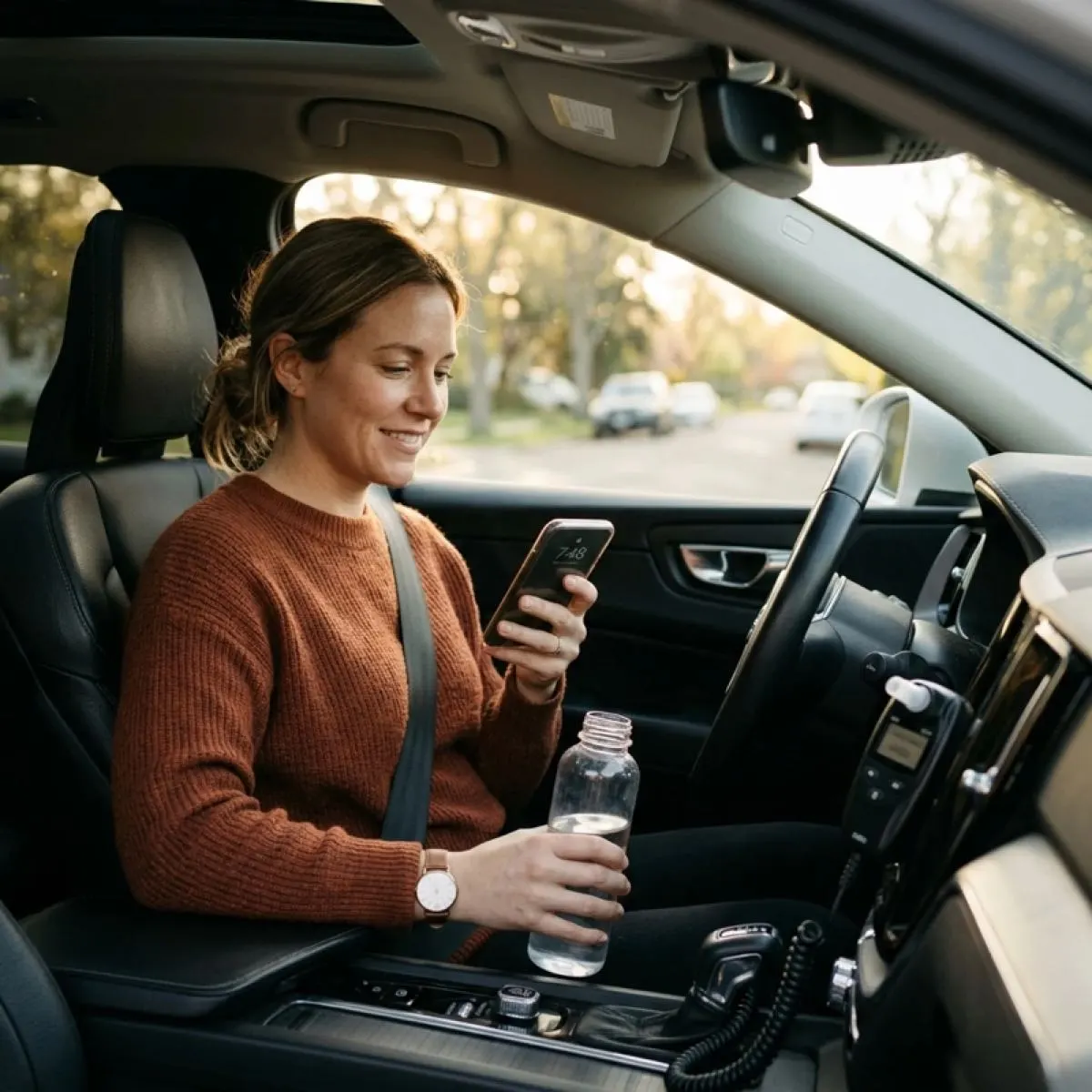
This matters most behind the wheel. A breathalyzer or an ignition interlock device measures the alcohol on your breath, not how steady you feel, and no amount of coffee, mouthwash, or confidence changes that reading. Tricks that supposedly fool a breath test are folklore too; we have covered why the peanut butter breathalyzer myth does not work, and the same goes for the rest of them.
If you drive with an interlock, this is also why a rolling retest can catch a morning-after reading that surprises you. The device is not judging you; it is measuring what is physically there. Planning your drinking around real hours, not felt sobriety, is what keeps your record clean.
What Actually Helps While You Wait
Since you cannot speed up the process, the practical goal shifts: stay safe and comfortable while the hours pass. These steps will not lower your BAC, but they make the wait easier and protect tomorrow morning.
- Stop drinking now. Every additional drink adds roughly another hour to the clock.
- Sip water steadily. It eases dehydration, the biggest driver of how bad you feel.
- Eat something gentle. Toast, crackers, or a light snack can settle your stomach.
- Sit or lie down somewhere safe. Balance suffers when you drink; falls are a real risk.
- Set yourself up for sleep. Water by the bed, phone charged, alarm set late if you can.
- Do not make big decisions. No driving, no important texts, no online purchases. Let it wait.
How to Sober Someone Else Up
You cannot sober another person up any faster than they can sober themselves up. What you can do is keep them safe while their body works: get them water, keep them away from car keys, and stay with them rather than leaving them to “sleep it off” alone. If they are lying down, keep them on their side in case they vomit.
Know the line between drunk and in danger. Confusion, vomiting that will not stop, slow or irregular breathing, cold or bluish skin, and unresponsiveness are signs of alcohol overdose, which the NIAAA’s alcohol overdose guide describes as a medical emergency. If you see them, call 911. Do not wait for the person to sleep it off, and do not rely on coffee or a cold shower; neither works, and both waste time.
How to Avoid Intoxication in the First Place
The only guaranteed way to avoid intoxication is to limit or skip alcohol altogether. However, if you do choose to drink, these strategies can help keep you in control:
- Count Your Drinks: Keep track to avoid accidentally overindulging.
- Pace Yourself: Give your body time to process each drink, ideally at least an hour per standard drink.
- Stay Hydrated: Alternate alcoholic beverages with water to stay hydrated and drink less.
- Eat Beforehand: Foods rich in protein, fiber, and healthy fats slow the absorption of alcohol.
- Avoid Mixing Drinks: Stick to one type of drink to prevent your BAC from spiking quickly.
Moderation still matters most. The CDC’s guidance on alcohol use describes moderate drinking as two drinks or fewer per day for men and one or fewer for women, and notes that drinking heavily in a short window pushes BAC up fast. Understand your personal limits, especially if there’s a family history of alcohol-related issues.
How to Plan a Sober Ride

The best time to decide how you are getting home is before the first drink, while your judgment is at full strength. Once you are impaired, “I feel fine to drive” starts to sound convincing, which is exactly the problem. Impaired driving remains one of the most preventable causes of death on US roads, as the CDC’s impaired driving overview lays out.
Good options to line up in advance:
- A designated driver who is actually not drinking, not just drinking less.
- A rideshare or taxi, with the app installed and a payment method ready before you go out.
- Public transit or a walkable plan, if your area and the hour allow it.
- A place to stay, whether that is a friend’s couch or booking the night nearby.
One more step people skip: think about the morning. If you drank late and heavily, you may not be sober enough to drive at 7 a.m., even after sleep. Our guide to how long to wait after drinking before driving walks through how to think about that timing.
Key Takeaways
There’s no magic trick to sober up instantly. Time, rest, and hydration remain the best ways to recover from drinking. While some methods can help you feel temporarily more alert, they won’t speed up the process of eliminating alcohol from your system.
If you’ve had too much to drink, avoid driving or operating machinery, no matter how “sober” you feel. Your feelings are not a breathalyzer. Plan the ride before the night starts, give yourself generous margins the next morning, and let the clock do the one job only it can do.
Frequently Asked Questions
What sobers you up fast?
Nothing sobers you up fast. Time is the only thing that lowers your blood alcohol concentration, because your liver processes alcohol at its own steady pace. Coffee, cold showers, food, and exercise can change how awake or comfortable you feel, but your BAC keeps dropping on the same schedule regardless. Anything marketed as an instant fix is addressing your symptoms, not your sobriety.
Does coffee sober you up?
No. Caffeine makes you feel more alert, but it does not lower your BAC or restore judgment, reaction time, or coordination. The risk is that feeling awake can convince you that you are safe to drive when you are not. If you drink coffee after alcohol, treat it as comfort, not a countermeasure.
Does drinking water help you sober up?
Water helps you feel better, not sober up faster. Alcohol dehydrates you, and rehydrating eases headaches, dry mouth, and fatigue, which is why water is still worth sipping steadily. It has no effect on how quickly alcohol leaves your bloodstream. Think of water as hangover prevention and comfort, not as a way to lower your BAC.
Does food help you sober up faster?
Food slows down how fast alcohol gets absorbed if you eat before or while drinking. After the alcohol is already in your bloodstream, eating does not remove it faster. A light meal can settle your stomach and make the wait more comfortable, but the greasy late-night plate is a comfort measure, not a sobering agent.
Does throwing up sober you up?
Not meaningfully. Vomiting can only remove alcohol that has not yet been absorbed from your stomach, and absorption happens quickly. It will not lower the BAC already in your blood, and forcing it adds risks like choking, especially for someone very intoxicated. Repeated or uncontrollable vomiting is a warning sign of alcohol overdose and deserves medical attention.
How do you get “undrunk”?
You cannot get undrunk on demand. Once alcohol is in your bloodstream, your body clears it at a roughly fixed rate, and no drink, pill, or trick reverses it early. What you can control is the experience of waiting: hydrate, eat something light, rest somewhere safe, and do not drive. Sobriety arrives on the liver’s schedule, not yours.
Can you sober up in an hour?
Only if you had very little to drink. The body clears roughly one standard drink per hour on average, so a single beer might be gone in about an hour, while several drinks will take several hours. If you are asking because you need to drive soon, the honest answer is to arrange another way home rather than betting on a one-hour turnaround.
How can I sober up fast before driving?
You cannot, and this is the most expensive myth on the list. No method lowers your BAC ahead of schedule, and a breath test does not care how alert coffee made you feel. If there is any question about whether you are sober enough to drive, the answer is a ride, a wait, or a bed. One rideshare costs a fraction of what a DUI does.
How do you sober someone up fast?
You cannot speed up another person’s sobriety, but you can keep them safe. Give them water, keep them off the road, stay with them, and position them on their side if they lie down. If they show confusion, slow or irregular breathing, cold or bluish skin, or you cannot wake them, call 911 immediately; those are signs of alcohol overdose.
Will I be sober enough to drive the morning after drinking?
Not necessarily. If you drank heavily or late, alcohol can still be in your system when you wake up, even after a full night’s sleep. Feeling rested is not the same as testing clean, which is why morning-after readings surprise people. Count the hours since your last drink, add margin, and when in doubt, wait longer or find a ride.
Do ignition interlock devices detect alcohol from the night before?
They can, if alcohol is still in your system when you test. An interlock measures breath alcohol at the moment you blow, so a late, heavy night can produce a failed test the next morning even though you feel fine. The fix is planning: know how much you drank, count the hours, and leave a buffer before you need your vehicle.
The Bottom Line
There is no way to sober up fast, but there is a way to get through the wait safely: water, food, rest, and a ride you arranged before you needed it. If you drive with an ignition interlock, or you are about to, that same planning keeps every test clean.
RoadGuard’s support hub covers what to expect from daily life with a device, and if you still need one installed, same-day installation is available in many locations. Call 1-833-545-0368 or find a location near you to get started.
Disclaimer: This article is provided by RoadGuard Interlock for general informational purposes only and is not legal, financial, or medical advice. DUI and ignition interlock laws, penalties, fees, and program requirements differ from state to state and county to county, and they can change at any time. Any costs, timelines, or figures mentioned are general estimates rather than quotes or guarantees. Please do not rely on this article as a statement of the law where you live. Confirm current requirements with your state DMV, the court handling your case, a licensed attorney, or RoadGuard Interlock directly before making decisions. Device features, pricing, availability, same-day installation, and any promotions referenced are subject to change, vary by location, and may not be offered in every state RoadGuard Interlock serves.