
Taking Your Driving Test in a Car With an Ignition Interlock: What to Expect
Disclaimer
The information in this blog is for general informational purposes only. Information may be dated and may not reflect the most current developments. The materials contained herein are not intended to and should not be relied upon or construed as a legal opinion or legal advice or to address all circumstances that might arise. You should contact your attorney to obtain advice with respect to any particular legal matter. Only your individual attorney can provide assurances that the information contained herein – and your interpretation of it – is applicable or appropriate to your particular situation. Links to any third-party websites herein are provided for your reference and convenience only; RoadGuard Interlock does not recommend or endorse such third party sites or their accuracy or reliability. RoadGuard Interlock expressly disclaims all liability regarding all content, materials, and information, and with respect to actions taken or not taken in reliance on such. The content is provided “as is;” no representations are made that the content is error-free.

In many places you can take your interlock driving test in the car that has your ignition interlock, and some testing sites list it as a standard appointment. The rules come from your state’s licensing agency and the testing site, so confirm before test day, bring your interlock paperwork and plan to give every breath sample yourself.
The driving is usually the part you’ve already practiced. The questions tend to be about the interlock: what the examiner will think of the device on the dash, what happens if it asks for a retest halfway through a left turn, and whether you’re allowed to show up in a different car.
Each of those has a practical answer, and most of them start with a phone call you can make this week.
Can You Use Your Interlock Car for the Driving Test?
Often you can, but no single national rule covers it, so the answer comes from your state’s licensing agency and the site that gives your test. In many states, a restricted license with an ignition interlock lets you drive only vehicles that have an approved device installed, which usually points to testing in the interlock car.
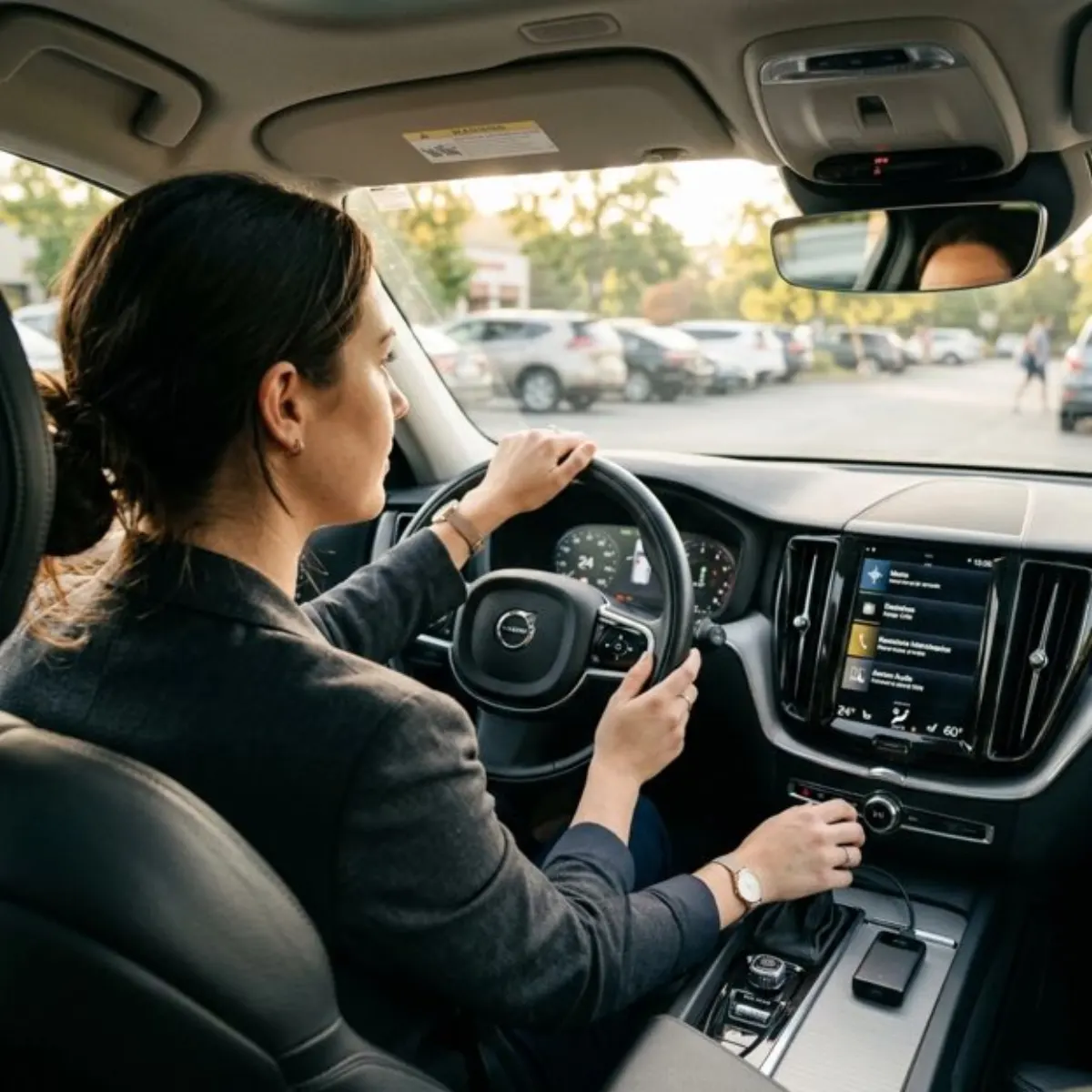
Some state-certified driving schools that run third-party drive tests list a separate road test for drivers with an interlock-restricted permit, and some say that a driver with that restriction has to test in the interlock vehicle rather than a school car. Other sites set their own conditions. A state office and a private tester in the same area can give you different answers, so ask the site that will give your test.
Check the wording of your own restriction. If it limits you to interlock-equipped vehicles, plan on testing in your own vehicle with the interlock unless the licensing agency tells you otherwise in writing.
Questions to Ask When You Book
Ask these before you pay a testing fee or reserve a time slot, and note that the right office to ask differs by question.
|
Question |
Who can answer it |
|
Can I take the road test in a vehicle with an ignition interlock installed? |
The testing site, or the licensing agency if a state office gives the test |
|
Which documents do you need for an interlock vehicle? |
The testing site |
|
How do you want me to handle a rolling retest during the test? |
The testing site |
|
Does my restriction allow me to drive any vehicle other than my interlock car? |
Your state’s licensing agency or the court handling your case |
|
Is my device due for service before my test date? |
Your interlock provider’s support line |
Write down the name of the person you spoke with and the date. If you hear something different on test day, that note gives you a name and a date to cite.
Telling the Examiner and the Testing Site About Your Interlock
Mention the interlock when you book, then again, briefly, when the examiner reaches your car.
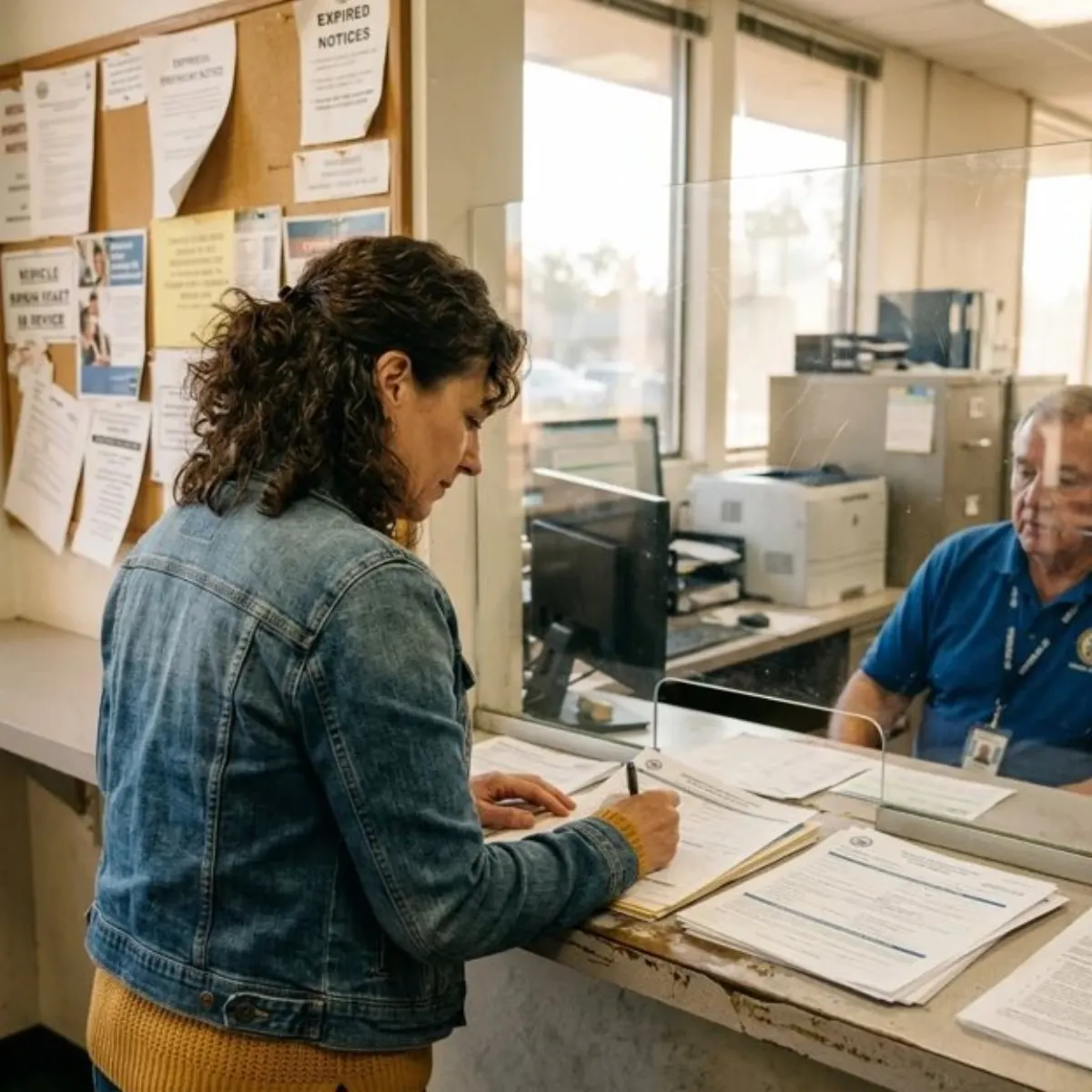
Telling the scheduler first gives the site a chance to note it on your appointment, or to tell you about an extra step before you arrive. A one-sentence mention at the car means the first retest tone won’t surprise either of you.
What to Say
Keep it short and plain. Something like: “My car has an ignition interlock as part of my license conditions. I’ll give the breath samples, and if it asks for a retest while we’re driving, I’ll pull over where it’s safe.” A calm, factual line is enough, and you can answer any follow-up questions the same way.
Paperwork to Bring
Ask the testing site for its list, because requirements differ, and bring originals wherever it asks for them. Most lists include some version of the following:
- A valid instructional permit, restricted license or other driving document your state issued for this period (check that it hasn’t expired)
- Current registration for the vehicle you’re testing in
- Proof of insurance for that vehicle (some sites want the paper original; others accept a copy on your phone)
- Your interlock installation paperwork and any documents your monitoring authority or court gave you
If you can’t find your installation record, call your interlock provider a few days ahead so there’s time to get a copy.
The Pre-Drive Check and the Start-Up Breath Test
Before you leave the lot, the examiner runs a vehicle safety inspection, and you give the start-up breath sample yourself.
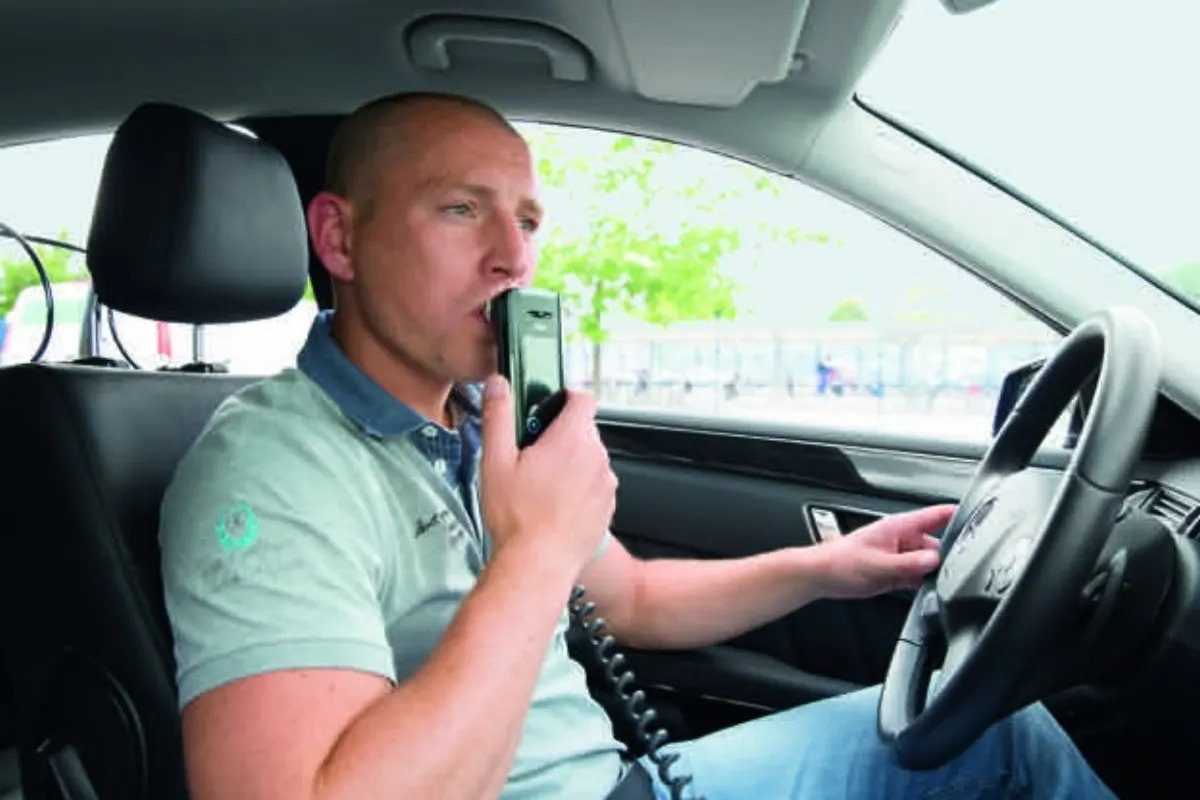
A start-up breath sample on an ignition interlock device.
The examiner usually asks you to show items such as the mirrors, turn signals, brake lights, horn and windshield. Under one state’s pre-drive safety checklist, a mechanical failure means the test is rescheduled, and only the examiner may ride with you during the drive, with narrow exceptions. Testing sites add their own items; some also check the front and back plates, the windows and the doors.
Then comes the start-up test. You give the sample yourself; the examiner won’t blow into the device for you. Do it the way you do every morning. If you’d like a refresher, how to use an ignition interlock device walks through the breath pattern and what the display shows.
If the device asks for another sample because the first one was too short, follow the prompt and give it again. How a second attempt is noted on the exam is up to the testing site, so if that worries you, ask when you book.
What to Do If a Rolling Retest Comes Up During Your Interlock Driving Test
Keep driving safely, stop where it’s safe and where the examiner directs, and give the sample there. An interlock asks for a breath sample before the engine starts and then for periodic breath samples while you drive, so a retest can come up at any point, a road test included.
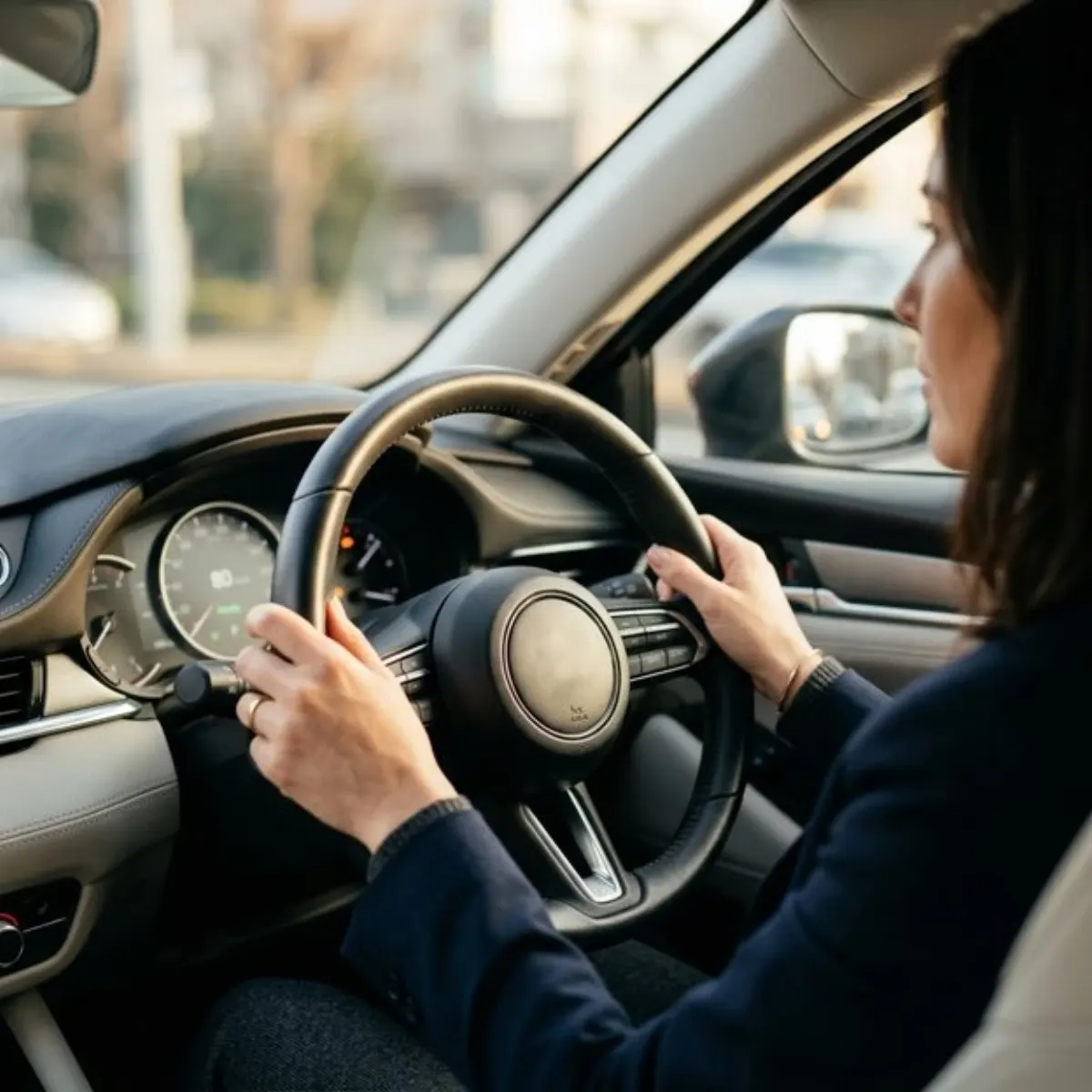
When a rolling retest prompt sounds, an interlock typically gives you several minutes to respond. That’s time to finish a turn, signal and pull out of traffic. The prompt doesn’t shut the engine off, and switching the engine off doesn’t cancel the prompt, so give the sample.
Step by Step When the Prompt Sounds
Work through it in this order:
- Finish your current maneuver. Don’t try to blow into the device while turning or crossing an intersection.
- Tell the examiner in one sentence: “That’s a retest. I’d like to pull over where it’s safe.”
- Signal, check your mirrors and stop away from traffic, where the examiner directs.
- Give the sample the same way you gave the start-up sample.
- Wait for the examiner’s go-ahead before you pull back out.
Ask the Testing Site Ahead of Time
How a retest is handled during the exam is up to the testing site. When you book, ask whether the examiner wants you to pull over right away or finish a set maneuver first, and whether the route pauses while you give the sample. Their answer is the one that applies to your test.
Using a Different Vehicle for the Driving Test
Test in another vehicle only if your license restriction and the testing site both allow it, and get both answers before test day.
In many states the interlock restriction applies to you as the driver, not to one particular car, so driving a borrowed car with an ignition interlock restriction can put you outside your license terms even when your own car has a device. Don’t drive a car without an interlock to the test site.
If your own car is in the shop, ask the licensing agency whether another vehicle with an approved interlock installed, used with the owner’s consent, would satisfy your restriction; the testing site still has to accept it. Your own car also has the advantage of familiarity: you already know its mirrors, blind spots and brakes.
Test-Day Checklist for Your Interlock Driving Test
Run through this list the day before your test and again that morning.
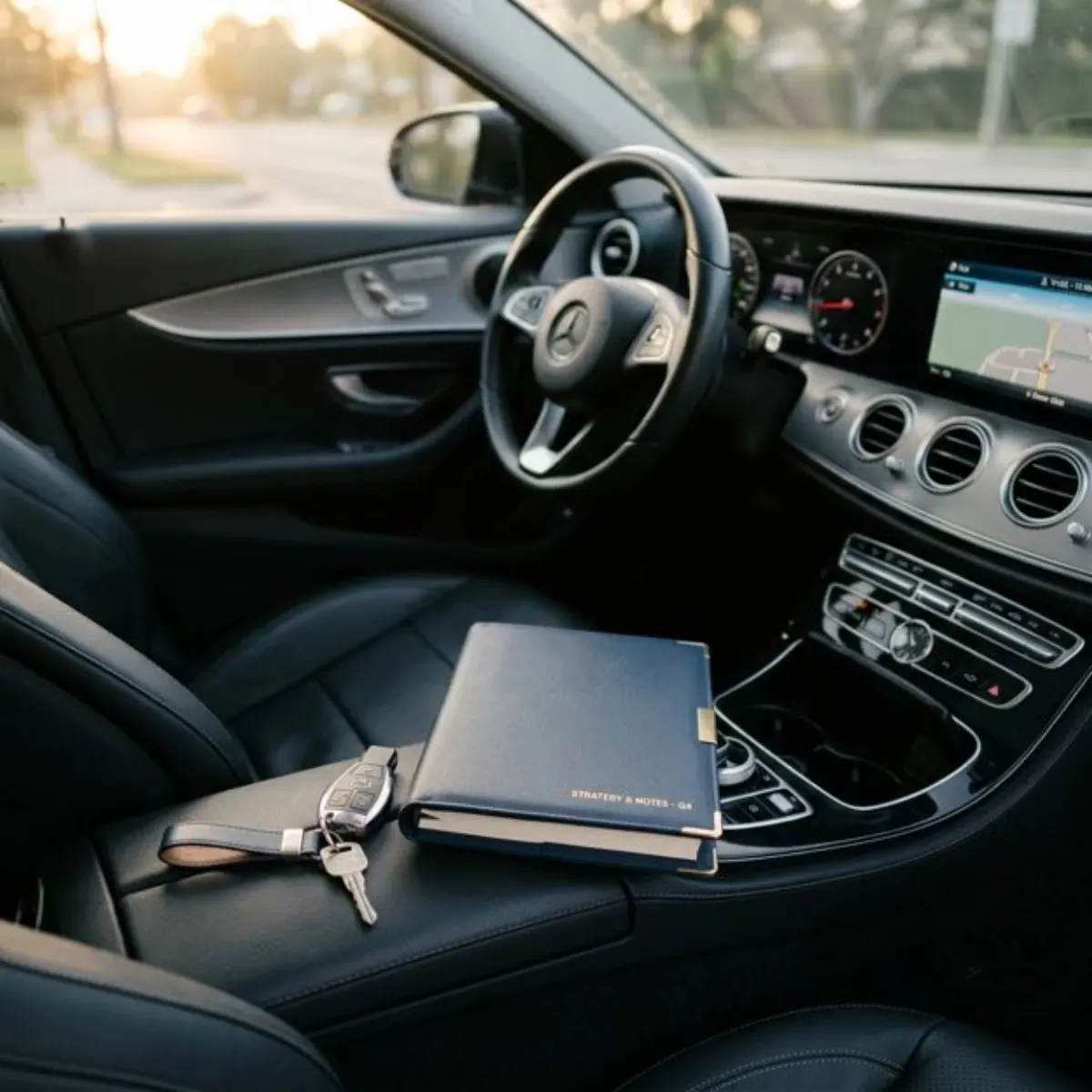
- Your permit or restricted license, plus the vehicle’s registration and proof of insurance, in the form the testing site asked for
- Your interlock installation paperwork and any documents from your monitoring authority or court
- Your device’s service dates: check that your next calibration appointment doesn’t fall on or before test day, and book it early if it does
- No mouthwash, breath spray, cough syrup or alcohol-based hand sanitizer in the hours before you drive, since they can leave alcohol in your mouth and cause a false reading
- The car’s safety items: lights, signals, mirrors, horn, windows, windshield and both plates
- Enough fuel, and enough time to park, sort your documents and give the start-up sample without rushing
When to Call Support Before Test Day
Call RoadGuard support at 1-833-545-0368 a few days before the test if anything about the device is unclear.
Have your name, your vehicle and your test date ready when you call. Support can answer questions about service timing and walk you through any prompt or tone you don’t recognize. If the device shows a message you haven’t seen before, call before you do anything else: don’t unplug it, don’t try to reset it and don’t let a mechanic or a friend touch the wiring. You can also reach the team through the online contact form.
Frequently Asked Questions
How to pass an interlock test?
Avoid alcohol before you drive, and give the sample the way your device is set up to take it. On RoadGuard’s device that’s a simple blow-suck breath test: you blow in, then draw back briefly when prompted. Skip mouthwash, breath spray and alcohol-based sanitizer beforehand. If a reading ever surprises you, call support instead of testing again and again, and let them tell you what the display means.
What is the no. 1 reason for failing a driving test?
The answer depends on the testing site, because each one scores against its own criteria. The driving-test section of your state’s driver handbook lists what examiners look for, so practice those skills. One reason you can prevent: a test can end before you leave the lot if the car fails the pre-drive safety check, so walk around it the day before.
What happens when you test positive on an interlock device?
At start-up, a sample over the set limit temporarily keeps the engine from starting. What happens after that, including what’s reported and how it affects your program, depends on your state and program, so check with your monitoring authority. Your interlock provider’s support line can explain what the display is showing you and what the next prompt means.
How many times can you fail an interlock test?
It depends on your state and program; check with your monitoring authority. Programs set their own rules for how failed samples are counted and what follows, and a court-ordered program can differ from one run by the licensing agency. If you’re unsure which authority oversees your interlock, your court or licensing paperwork usually names it.
What is an interlock driving test?
It’s the phrase people use for a driver license test taken in a vehicle with an ignition interlock installed, usually by a driver whose license is restricted to interlock vehicles. The driving portion covers the same skills as any road test; the difference is the breath samples. Some testing sites list it as its own appointment type, so choose that option if your site has one.
Do I need to have an ignition interlock installed to take my driving test?
It depends on your state and your case. In some states the interlock has to be installed before a limited or restricted driving privilege is issued, and the testing site may then expect you to test in that car. Elsewhere the order can differ. Your licensing agency or the court handling your case can tell you which step comes first for you.
Can I practice for my driving test in my interlock car?
Usually, as long as you drive within your permit or license conditions. Every drive starts with a breath sample, and anyone else who drives the car has to give one too. If your permit requires a licensed adult in the passenger seat, that rule still applies, and the passenger doesn’t give samples unless they drive. A few rolling retests on practice drives make the one on test day feel familiar.
Do I have to take a driving test after an interlock license?
Not always. Whether you test again depends on your state and on what happened to your license. In many states a revoked license means reapplying, which can include new written and road tests, while a suspension may not. The reinstatement notice from your licensing agency lists the steps for your case, and it’s the document to follow.
Get Your Interlock Car Ready for Test Day
A test day in an interlock car goes more smoothly when the device is current on service and you’re comfortable with every prompt. RoadGuard Interlock’s device has a sleek, discreet design, a camera and a simple blow-suck breath test. If you still need a device installed, or want a service visit before your test, find a location near you, check that your state is served and book a time that leaves room before your test date.
Disclaimer: This article is provided by RoadGuard Interlock for general informational purposes only and is not legal, financial, or medical advice. DUI and ignition interlock laws, penalties, fees, and program requirements differ from state to state and county to county, and they can change at any time. Any costs, timelines, or figures mentioned are general estimates rather than quotes or guarantees. Please do not rely on this article as a statement of the law where you live. Confirm current requirements with your state DMV, the court handling your case, a licensed attorney, or RoadGuard Interlock directly before making decisions. Device features, pricing, availability, same-day installation, and any promotions referenced are subject to change, vary by location, and may not be offered in every state RoadGuard Interlock serves.